Loading...
Serving Oroville, CA and surrounding areas. (530) 854-8628
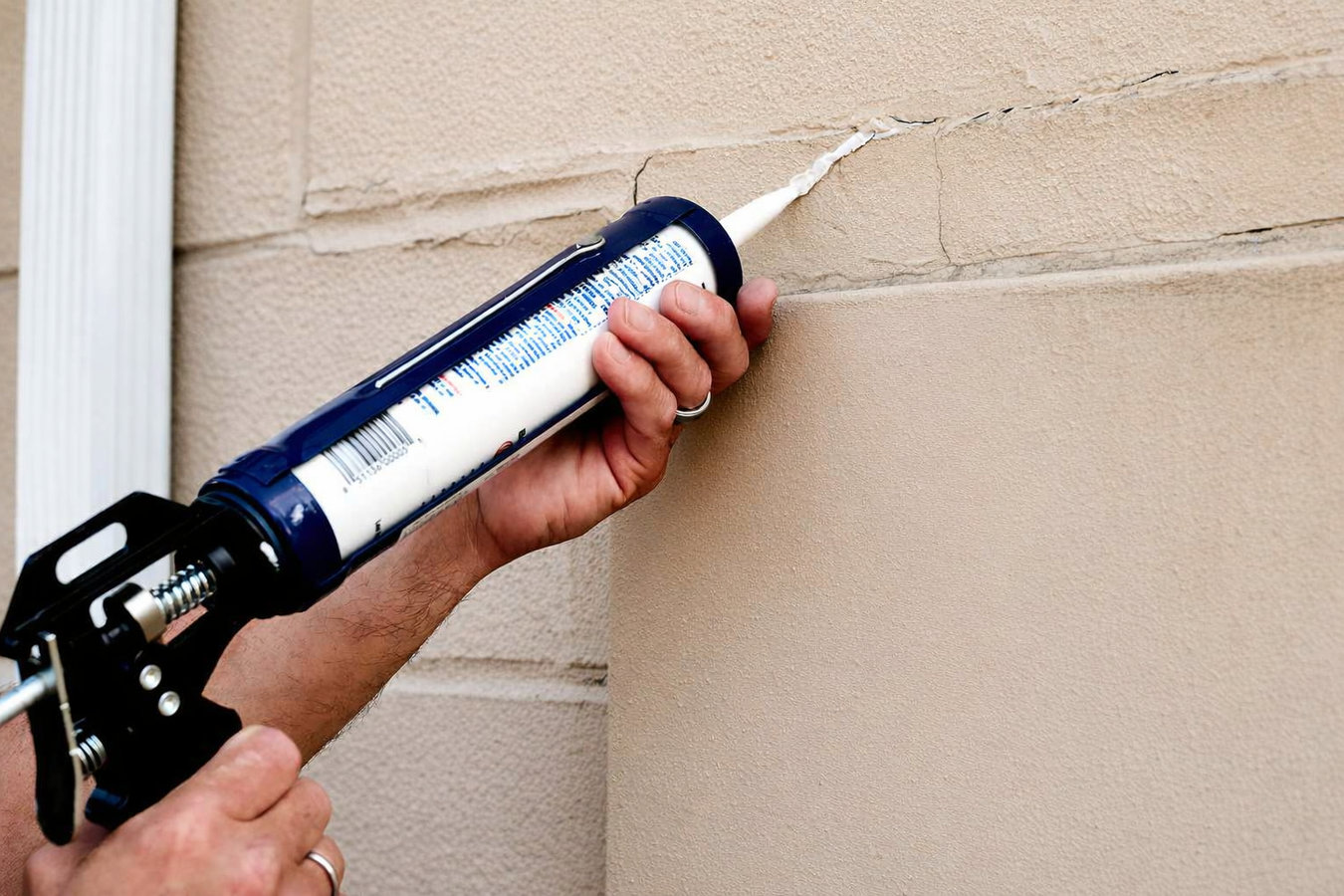
Your AC might be working fine - but if your home is full of gaps, you are cooling the outdoors. We find every leak, seal it, and test before and after so you can see the difference.
Air sealing in Oroville means finding all the small gaps, cracks, and openings in your home where outside air sneaks in and inside air leaks out - then closing them up using foam, caulk, and weatherstripping. Most jobs on a single-family home take one to two days and include testing before and after so you know the work actually made a measurable difference.
Most people think of insulation first when their home feels uncomfortable. But insulation slows heat from moving through solid surfaces - it does not stop air from flowing through gaps. In older Oroville homes, there can be dozens of small openings around outlets, pipes, light fixtures, and framing joints that let conditioned air escape around the clock. Air sealing fixes that. Pairing it with attic air sealing - where most homes lose the most conditioned air - often produces the biggest improvement on energy bills.
The U.S. Department of Energy estimates that air sealing combined with added insulation can reduce heating and cooling costs significantly. In Oroville, where summer cooling bills can run high and PG&E's tiered pricing means every extra unit of electricity costs more, that reduction matters. Homeowners in Butte County who have dealt with wildfire smoke events also report a meaningful improvement in indoor air quality after proper sealing.
If your air conditioner runs almost constantly during Oroville's summer heat but certain rooms still feel stuffy or warm, air is almost certainly escaping faster than your system can replace it. A properly sealed home holds conditioned air much longer, so your system does not have to work as hard or run as often.
If you noticed smoke smell inside your home during recent Butte County fire seasons even with windows and doors closed, your home has significant air leaks. Smoke particles find the same pathways that conditioned air uses to escape. This is a strong signal that your home's envelope - the barrier between inside and outside - needs attention.
Hold your hand near an electrical outlet on an exterior wall on a hot or cold day - if you feel air moving, that outlet is connected to a gap that goes straight through your wall. The same test works near baseboards and attic hatches. These are exactly the kinds of leaks that air sealing is designed to fix, and they are surprisingly common in older Oroville homes.
If your PG&E bills have been climbing year over year but your usage habits have not changed, air leakage is one of the most common culprits. As homes age and settle, gaps that were once small get larger, and the cumulative effect on your heating and cooling costs can be significant. Comparing bills to previous years or to neighbors with similar-sized homes can help you spot the pattern.
We start every air sealing job with a blower door test - a tool that depressurizes your home so leaks become easy to detect. That measurement tells us exactly how leaky your home is before we touch a single gap. We then work systematically through the attic, crawl space, and building envelope - sealing around light fixtures, top plates, rim joists, plumbing penetrations, and anywhere else air is moving freely. The Building Performance Institute sets the standard for how this work should be done and verified, and we follow that process on every job.
Air sealing pairs naturally with insulation - and most energy professionals recommend sealing first, then adding insulation on top. If your home needs both, we can discuss doing them together in a single visit. We also work alongside basement insulation projects where sealing the rim joist and foundation walls is part of the same scope. Every job ends with a second blower door test so you have documented proof of the improvement - not just our word for it.
Full envelope assessment and sealing - attic, crawl space, walls, and all penetrations - with before-and-after blower door testing.
For homes where the attic is the primary leakage point - sealing top plates, bypasses, and ceiling penetrations before insulation is added.
For homes with uninsulated basements or crawl spaces where cold air and ground moisture infiltrate from below.
Combined project for homeowners who want to tackle both energy losses in one visit - the highest-impact pairing for comfort and bill savings.
Oroville sits in the northern Sacramento Valley and regularly sees summer temperatures above 100 degrees F. When your home is not properly sealed, your air conditioner works overtime trying to cool air that keeps escaping through gaps - and hot outside air keeps replacing it. A significant share of Oroville's housing was built before modern energy codes required tight construction, so many homes were never designed with air sealing in mind. Older neighborhoods near downtown and along the Feather River corridor tend to have the most pronounced leakage problems because the homes have settled and shifted over decades, opening gaps that were never there when the house was new. Homeowners in Thermalito see the same conditions in homes from the same era - and often find the same dramatic improvement after sealing.
Butte County's history of wildfire events adds a second reason air sealing matters here that does not apply in most other parts of California. During smoke events - like those that followed the 2018 Camp Fire and subsequent wildfire seasons - a leaky home allows smoke particles to infiltrate indoor air, creating real health risks. Properly sealed homes are meaningfully better at keeping smoke out during air quality emergencies. PG&E serves Oroville and has historically offered rebates for qualifying air sealing work, so homeowners in Live Oak and throughout the service territory may be able to recover a portion of the project cost through available programs.
We respond within 1 business day. We will ask a few quick questions about your home's age, size, and what you have been noticing. You do not need all the answers - we will find the gaps ourselves with a proper assessment.
On the first visit, we run a blower door test - a device that depressurizes your home so leaks become easy to detect. This tells us exactly how leaky your home is and pinpoints where the biggest problems are hiding. Most assessments take about an hour.
We work systematically through your attic, crawl space, and problem areas - sealing gaps with foam, caulk, or appropriate materials for each location. Most Oroville homes are completed in one to two days. You can stay home throughout the process.
Once the sealing work is done, we run a second blower door test to measure the improvement and show you the results in writing. You leave with a real number showing the difference - not just our word that it went well.
We test your home, show you exactly where it is leaking, and give you a written quote you can compare at your own pace. No pressure, no obligation.
(530) 854-8628Every air sealing job starts with a free written estimate and ends with a record of what was sealed and where. We know Oroville homes and coordinate any permits the work requires.
We have been sealing homes in Oroville and Butte County since 2018 and know what older homes look like on the inside - especially the pre-1970s housing stock that was built with no air sealing in mind. That local experience means we know where to look first.
We run a blower door test before we start and again after we finish - so you get a real measurement of the improvement, not just our assurance that the work was done. A contractor who skips this step has no way to show you what changed.
We respond to every inquiry within 1 business day and provide itemized written estimates before scheduling any work. We do not pressure you to sign the same day - take the time you need to compare and decide.
When you hire us for air sealing, you get documented proof that the work was done right - not just a contractor's handshake. We stand behind every job with before-and-after testing and a written record of the improvement.
Seal and insulate below your living space to stop cold-floor problems and block moisture from entering your home from below.
Learn MoreTargeted sealing of the attic floor - where most homes lose the most conditioned air - before adding insulation on top.
Learn MoreOnce temperatures push past 100 degrees F, contractor schedules fill up fast. Call now to lock in your air sealing appointment before the heat season hits.